July 26, 2026
A well-maintained chimney plays an essential role in keeping a fireplace operating safely and efficiently. While many homeowners focus on maintaining the fireplace itself, the chimney is constantly exposed to heat, moisture, wind, and seasonal weather that can gradually wear down its materials. Because deterioration often develops slowly, it is easy for problems to go unnoticed until they become more serious.
Knowing what warning signs to watch for can make all the difference. Certain changes may seem minor at first, but they frequently indicate underlying conditions that deserve professional attention. Scheduling a chimney repair when these warning signs appear helps protect both the home and everyone living inside it.
1. Notice Cracked or Damaged Masonry
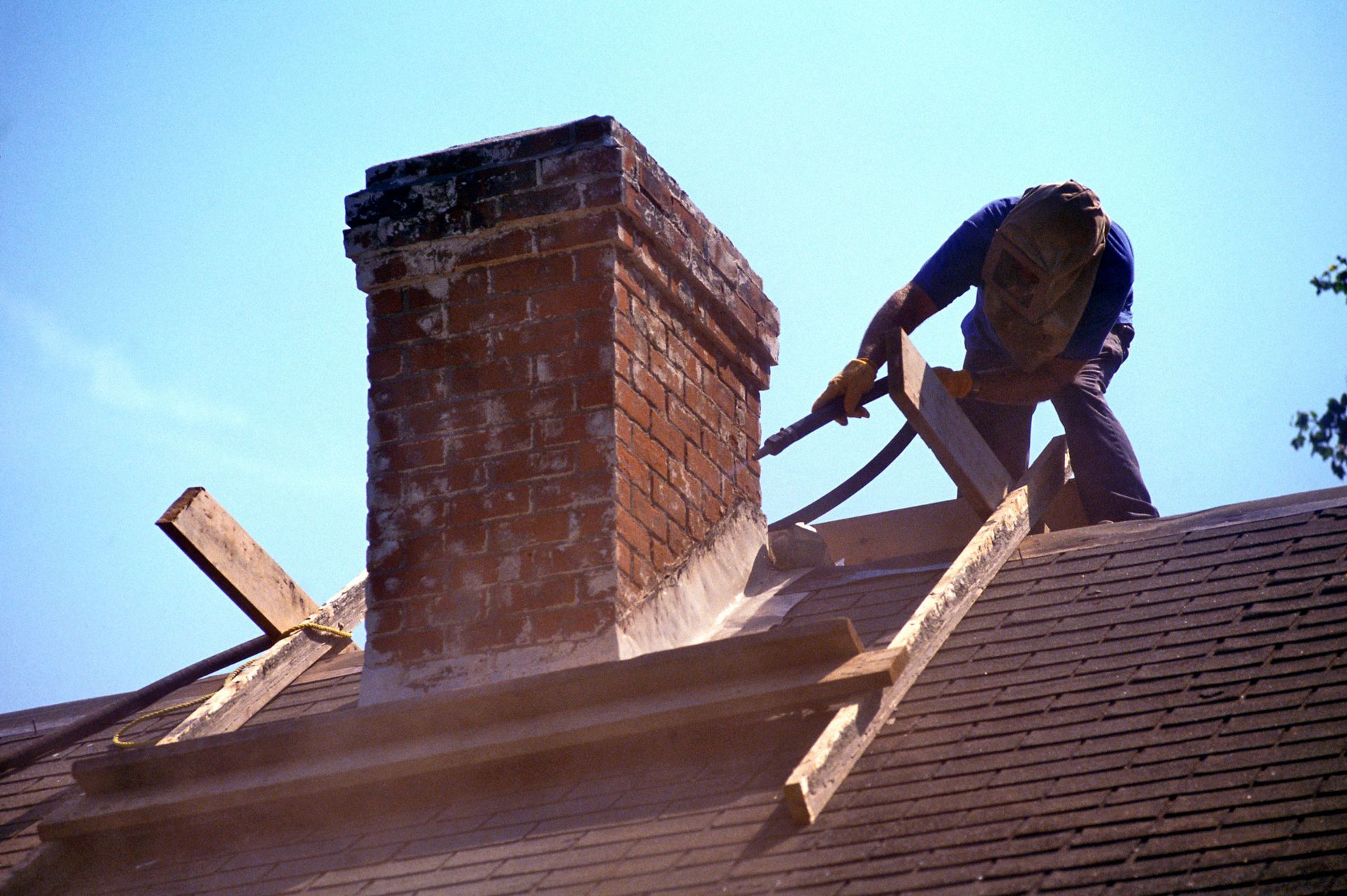
Cracks in bricks, mortar joints, or stone surfaces are among the most common signs that a chimney requires professional attention. Even hairline cracks can allow moisture to penetrate the structure, gradually weakening the materials that keep the chimney stable. As weather conditions change throughout the year, trapped moisture expands and contracts, causing existing cracks to become larger over time.
Damaged mortar joints can also reduce the overall strength of the chimney. Once mortar begins to deteriorate, bricks lose the support that holds them securely together. This process often accelerates once water enters the structure, leading to additional deterioration that may eventually affect the entire chimney.
Although cracked masonry may appear to be only a cosmetic concern, it often points to more significant structural issues beneath the surface. A professional chimney repair restores damaged materials before deterioration spreads, helping preserve both the appearance and long-term stability of the chimney.
2. Observe Water Entering the Chimney
Moisture is one of the leading causes of chimney deterioration. Rainwater can enter through damaged flashing, worn masonry, deteriorated seals, or other vulnerable areas, gradually affecting both exterior and interior components. Once moisture becomes trapped inside the structure, damage often continues long after the initial leak develops.
Homeowners may notice water stains near the fireplace, peeling paint, damp odors, or discoloration on nearby walls and ceilings. These warning signs often indicate that water has already begun affecting the chimney system. Ignoring these symptoms allows additional moisture to enter, increasing the likelihood of more widespread deterioration.
Industry observations also highlight the relationship between aging homes and chimney concerns. According to Down to Earth Products, chimney repairs are generally more common in older homes, especially those over 50 years old. This makes routine evaluations especially important for homeowners with aging masonry systems.
Addressing moisture concerns through timely chimney repair helps protect the entire chimney structure while preventing additional damage from spreading to surrounding portions of the home.
3. Experience Smoke Entering the Home
A properly functioning chimney should direct smoke safely outside. When smoke begins entering living spaces instead, it often signals that the venting system is no longer operating correctly. Besides creating unpleasant odors, poor drafting can reduce fireplace performance and make enjoying a fire far less comfortable.
Several conditions may contribute to improper airflow. Structural deterioration, damaged chimney liners, interior obstructions, or changes affecting the chimney’s ability to vent efficiently can all interfere with normal operation. Even when the fireplace appears to function normally, recurring smoke problems should never be ignored.
A professional inspection identifies the source of drafting problems and determines whether chimney repair is necessary to restore safe, reliable performance. Correcting these issues early helps improve comfort while supporting the long-term operation of the entire fireplace system.
4. Find Pieces of Masonry Falling Away
Loose bricks, crumbling mortar, or fragments of stone collecting near the base of the chimney are clear signs that deterioration has progressed beyond normal aging. These materials should remain firmly attached to the chimney, so any noticeable separation indicates that portions of the structure have weakened.
As masonry continues to deteriorate, larger sections may eventually become unstable. This not only affects the chimney’s appearance but may also create safety concerns for anyone near the home. Pieces that separate unexpectedly can damage nearby roofing materials, landscaping, or other exterior features.
Visible deterioration often develops gradually over time. What begins as minor mortar loss can eventually affect surrounding bricks, allowing moisture to penetrate deeper into the structure and accelerate additional damage.
Prompt chimney repair restores compromised areas before larger portions of the chimney become affected. Replacing deteriorated materials and reinforcing weakened sections helps preserve the overall integrity of the structure while extending its service life.
5. Discover Damage Around the Chimney Crown
The chimney crown serves as one of the structure’s primary defenses against moisture. Positioned at the top of the chimney, it helps direct water away from vulnerable masonry while protecting the interior from environmental exposure. When this protective surface begins to crack or deteriorate, water can enter areas that are normally shielded from the elements.
Damage to the crown frequently develops because of repeated exposure to changing weather conditions. Over time, even small imperfections may expand, allowing moisture to reach the underlying masonry. Once water enters the chimney, additional components may begin deteriorating as well.
Scheduling a professional chimney repair when crown damage is identified helps restore this important protective barrier. Maintaining the crown supports the durability of the entire chimney while reducing the likelihood of moisture-related deterioration throughout the structure.
6. Detect Rust or Interior Deterioration
Rust appearing inside the fireplace or around chimney components often indicates ongoing moisture intrusion. Metal dampers, fireplace accessories, and other internal parts are particularly vulnerable when water repeatedly enters the system. Over time, corrosion can affect their ability to function properly.
Other signs of interior deterioration may include unusual odors, discoloration, crumbling materials, or debris collecting inside the firebox. Although these symptoms may seem unrelated, they often point to larger issues developing within hidden portions of the chimney.
Professional evaluations allow technicians to inspect areas that are not easily visible while identifying conditions that might otherwise go unnoticed. Addressing interior deterioration early helps preserve safe fireplace operation and supports the overall longevity of the chimney.
7. Recognize Changes in Overall Chimney Stability
A chimney should remain straight, secure, and firmly connected to the home. Any noticeable leaning, shifting, separation, or movement should be evaluated promptly, as these changes often indicate structural problems that require professional attention.
Several factors may contribute to reduced stability. Long-term moisture exposure, deteriorating masonry, natural settling, and years of environmental wear can gradually weaken the structure. While these changes may develop slowly, they rarely improve without corrective work.
Structural movement can also place additional stress on surrounding roofing materials and adjoining portions of the home. As the chimney shifts, other connected components may experience increased wear, making early intervention even more valuable.
Professional inspections help determine the underlying cause of structural movement while identifying the most appropriate solution. A timely chimney repair restores stability before additional deterioration affects larger portions of the chimney or surrounding property.
Routine maintenance remains one of the most effective ways to protect the long-term condition of any chimney. Regular evaluations help identify developing concerns before they become major structural issues, allowing homeowners to preserve safety, performance, and long-lasting reliability.
Your chimney works year-round to safely vent smoke, heat, and combustion byproducts away from your home. Because it is constantly exposed to changing weather and regular use, even small signs of deterioration deserve careful attention. Cracked masonry, water intrusion, smoke entering living spaces, falling bricks, damaged chimney crowns, interior corrosion, and structural movement are all indicators that professional evaluation may be necessary.
Responding promptly to these warning signs helps prevent minor concerns from becoming much larger and more expensive problems. Early repairs often preserve the structural integrity of the chimney, improve fireplace performance, and extend the lifespan of the entire system while providing greater peace of mind.
If you have noticed any of these warning signs, our team at Universal Chimney is ready to provide dependable chimney repair services focused on protecting your home’s safety, efficiency, and long-term value. Contact us today to schedule a professional inspection and let us help keep your chimney performing at its best.