Safety Tips From Chimney Repair Experts
In this article, we will explore essential safety tips shared by chimney repair experts to ensure the safe and efficient use of your fireplace. With a focus on preventative measures and best practices, our experts provide in-depth insights to help you maintain a safe living environment.
Understanding Chimney Structure and Functionality
The Basics of Chimney Design
Chimneys are designed to channel smoke and combustion gases safely out of your home. The typical chimney structure includes the flue, a vertical passageway that allows gases to escape while preventing them from re-entering living spaces. Different types of chimneys, such as masonry and factory-built, serve similar functions but differ in their construction materials and methods. Understanding the basic design of your chimney is critical to addressing any functional or safety concerns. Chimney fires, for example, can escalate quickly if structural vulnerabilities are present.
How Chimneys Facilitate Proper Ventilation
Ventilation is the primary function of a chimney, and it is crucial for safe fireplace operation. A properly functioning chimney creates a draft that transports harmful gases, such as carbon monoxide, out of the home. In addition to removing gases, the chimney must also regulate airflow to sustain a fire and prevent smoke spillage into living areas. The effectiveness of ventilation is impacted by various factors including chimney height, design, and environmental conditions. To ensure adequate ventilation, routine assessments and adjustments may be necessary.
The Role of Chimney Liners
The chimney liner is an essential component for safe operation, serving to protect the chimney walls from heat and corrosive by-products. It helps maintain draft efficiency by smoothing the flue space and mitigating the risk of creosote buildup. Damaged or missing liners can lead to severe safety hazards, including the risk of chimney fires, which can reach temperatures of up to 2000 degrees, according to The Chimney Safety Institute of America. Regular inspection of the liner is necessary to maintain this crucial layer of protection. Replacing or repairing the liner should be carried out by professionals to ensure compliance with safety standards.
The Importance of Chimney Caps
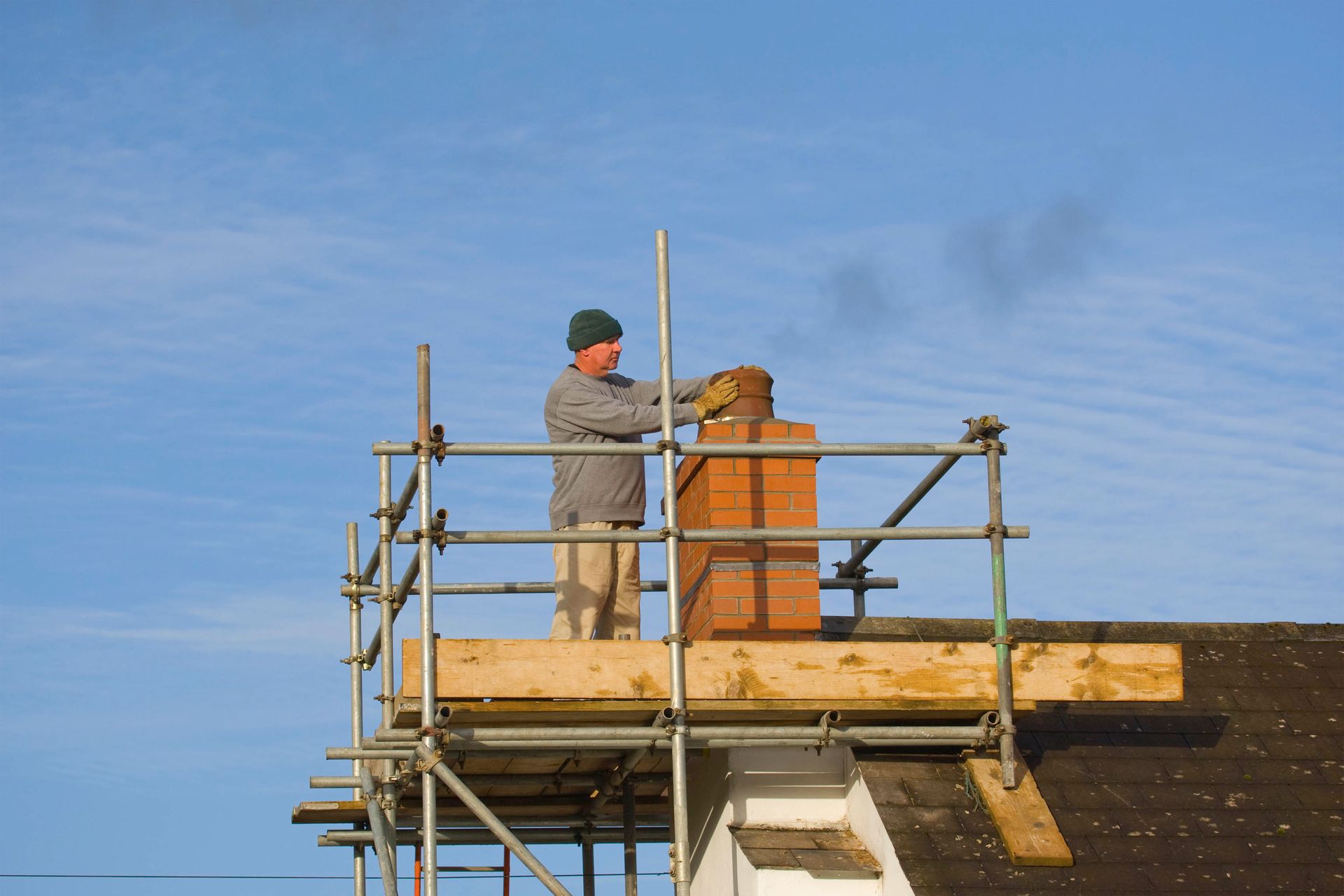
Chimney caps are small structures installed at the top of a chimney to prevent rain, debris, and animals from entering the flue. They help maintain efficient ventilation and reduce moisture buildup, which can lead to structural damage. Chimney caps also help prevent embers from escaping and causing roof fires. Installing a chimney cap is a straightforward and cost-effective measure to enhance chimney safety and longevity. Regular checks should be made to ensure the cap remains secure and damage-free.
Maintaining Your Chimney
Regular Chimney Inspections
Routine chimney inspections are crucial to identify potential problems before they escalate into serious safety issues. Professional inspections typically assess the overall condition of the chimney, focusing on the structure, liner, and ventilation performance. Ideally, inspections should be conducted annually to ensure all components function properly. Early detection of issues can reduce the risk of dangerous events such as chimney fires. Regular inspections also confirm that the chimney complies with current safety standards and regulations.
Signs Your Chimney Needs Immediate Attention
Several signs can indicate that a chimney requires immediate professional attention. These include visible cracks in the masonry, a strong odor emanating from the chimney, and smoke backing up into the home. Excessive creosote buildup, noticeable from thick black deposits inside the flue, is another urgent red flag. Addressing these signs promptly can prevent more extensive damage and enhance safety for household members. When any of these indicators are detected, it's critical to consult a chimney repair expert without delay.
The Benefits of Professional Sweeping Services
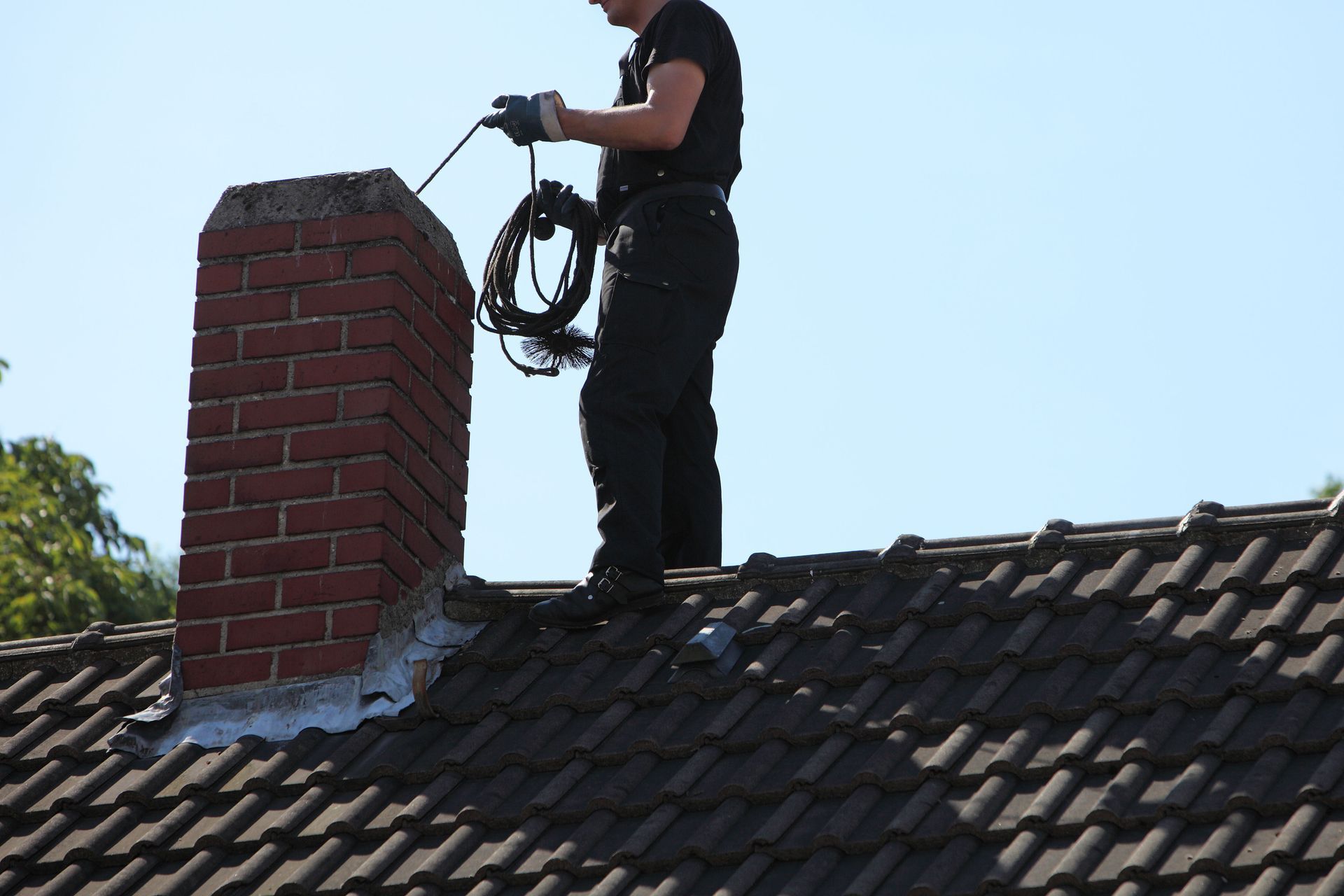
Professional chimney sweeping services provide thorough cleanings that remove creosote, soot, and debris. Creosote, the by-product of wood combustion, can ignite and cause chimney fires if not regularly cleared. By employing specialized equipment and techniques, professional sweeps help minimize fire risks and maintain optimal ventilation. Sweeping services also include inspections for residual hazards, offering peace of mind to homeowners. Investing in these services contributes to the long-term safety and efficiency of your chimney system.
Adopting Fire Safety Measures
Proper Use of Fireplaces and Stoves
Safe fireplace and stove usage begins with understanding and following manufacturer instructions for each specific appliance. Ensuring adequate ventilation is crucial for both fireplaces and stoves, as it prevents harmful gases from accumulating indoors. Homeowners should always use a firescreen to contain embers and prevent them from escaping into the room. Regularly removing ashes and cleaning the hearth area further contributes to a safe operating environment. Establishing a safe zone around the fireplace, free from flammable materials, helps mitigate fire hazards.
Smoke Detectors
Smoke detectors play an essential role in fire safety by providing an early warning system to household members. They should be installed in key areas throughout the home, including near fireplaces and in bedrooms. Regular testing and battery replacement ensure detectors remain functional, offering continuous protection. Up-to-date smoke detectors should also comply with local regulations, providing the coverage required by law. While detectors serve as a first line of defense, they are most effective when paired with proactive fire prevention measures.
Fire Safety for Family Members
Teaching family members about fire safety is crucial for readiness and effective response in case of an emergency. Children, in particular, need age-appropriate education on the dangers of playing near fireplaces and how to respond to smoke alarms. Conducting regular fire drills helps familiarize everyone with evacuation protocols, reducing panic during actual incidents. Emphasizing the importance of never leaving a fire unattended reinforces safe behavior for all family members. With comprehensive education, families can collectively ensure their safety and preparedness.
Addressing Common Chimney Issues
Water Damage and Leaks
Water damage is a common issue that can compromise chimney integrity, leading to serious safety hazards. Signs of water intrusion include discoloration, mortar joint damage, and mold growth around the chimney area. It's essential to identify and address leaks promptly to prevent structural deterioration and potential collapse. Waterproofing measures, such as sealants and chimney caps, are effective methods to protect chimneys from moisture. Consistent monitoring and a timely chimney repair can help prevent water damage from escalating into costly problems.
Animal Nests and Blockages
Animal nests inside chimneys can obstruct ventilation, leading to dangerous gas buildup and reduced efficiency. Birds, squirrels, and raccoons are common culprits of nest creation within chimney flues. Regular inspections and the use of a secure chimney cap can help prevent animals from entering. If an obstruction is detected, contacting a professional to safely remove nests is advised to avoid harming the animals or damaging the chimney. Addressing these blockages maintains airflow and ensures safety for the household.
Cracked Flue Liners and Masonry
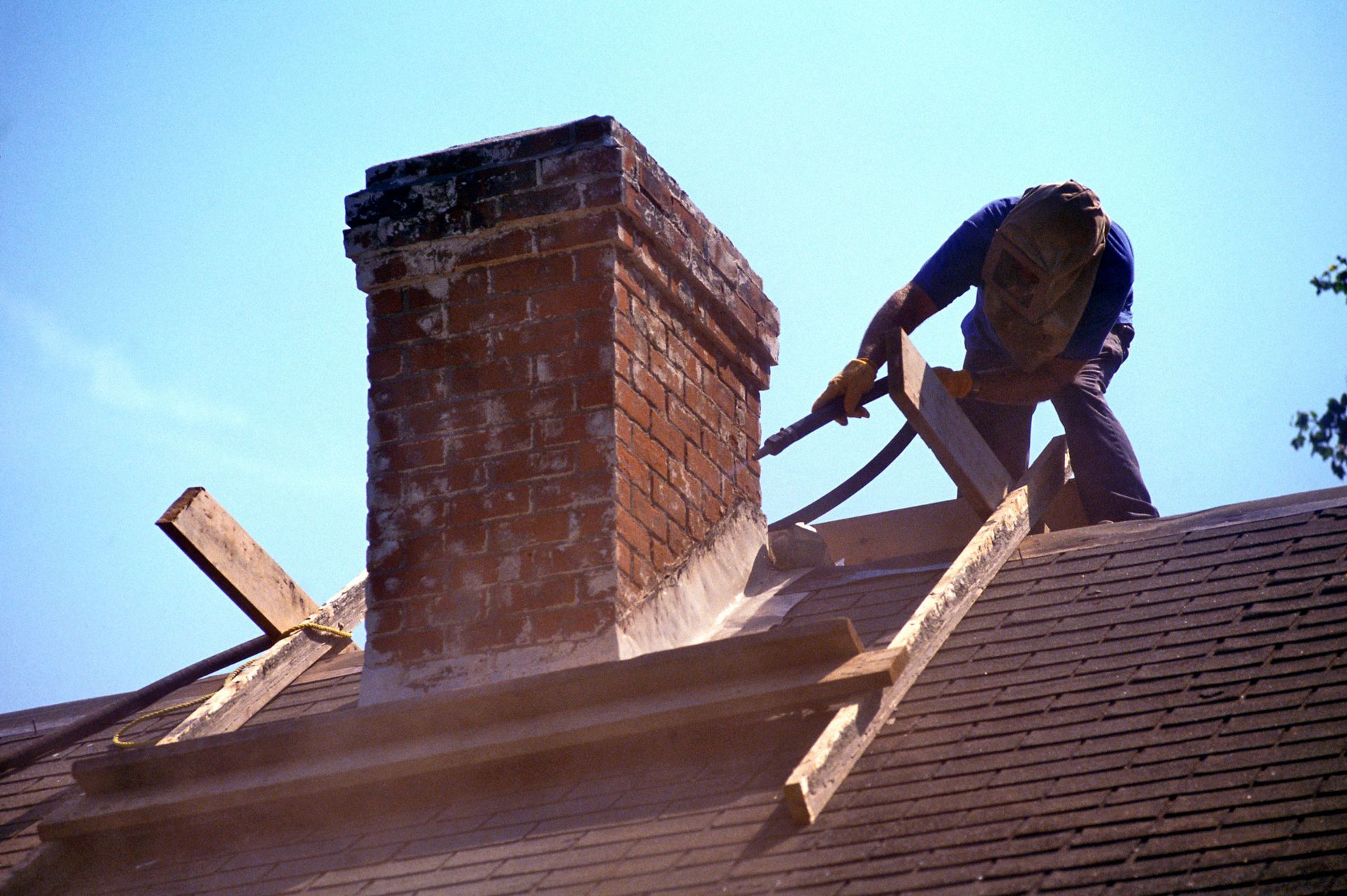
Cracks in flue liners or masonry can compromise the safety of a chimney by allowing heat and gases to escape into walls. Prompt repair of these issues is necessary to prevent hazards such as chimney fires and carbon monoxide leaks. Professional chimney repair services should be sought to ensure the work meets safety codes and standards. Replacing damaged liners or masonry are common solutions to restore the chimney's structural integrity. Regular assessments can preemptively identify areas at risk and maintain a safe chimney system.
Ensuring chimney safety is critical to preventing hazards in your home. By following these expert tips and investing in regular maintenance, you safeguard your family and property from potential dangers. Maintenance plans that incorporate both professional services and homeowner efforts offer layered protection against chimney-related risks. Consulting with professional chimney repair experts like Universal Chimney keeps you informed and proactive in maintaining a safe and comfortable living environment. Reach out to us today to learn more about our high-quality chimney services.