November 18, 2026
Purchasing your first home is an exciting milestone, yet the extensive responsibilities of property management can quickly feel overwhelming. Among the vital upkeep tasks that homeowners encounter, regular fireplace maintenance requires specialized attention. A neglected venting system accumulates dangerous residues over time, including powdery dark soot and highly combustible creosote. These deposits restrict optimal airflow, degrade indoor air quality, and introduce severe safety hazards, including the genuine threat of structural dwelling fires. Scheduling a professional chimney cleaning safeguards your family, restores heating performance, and preserves the architectural integrity of your hearth for years to come.
Many property owners remain unsure about what occurs during an official service call, which causes hesitation when booking preventative maintenance. An expert service appointment extends well beyond brushing out dirt; it provides a comprehensive technical evaluation of the entire exhaust structure. Specialists assess internal flues, evaluate structural brickwork, and identify hidden deterioration before minor flaws turn into hazardous structural failures. Understanding each phase of the procedure allows you to approach household upkeep with clarity.
Inspecting Flue Components and Evaluating Structural Health
The service begins with an in-depth diagnostic examination conducted by a licensed, certified technician. Upon arriving at your residence, the specialist takes time to discuss your heating habits, the appliance fuel source, and any irregularities you may have noticed, such as slow smoke evacuation or persistent odors. A preliminary visual appraisal checks the accessible exterior masonry, crown mortar, and hearth opening for immediate red flags. Following this dialogue, the technician employs high-powered specialty lighting and closed-circuit video cameras designed specifically to travel through internal flue passages.
Documenting these underlying structural conditions is essential before any physical brushing takes place. If a flue possesses shattered clay tiles or missing mortar joints, intense mechanical agitation could dislodge loose masonry and worsen internal damage. The expert systematically catalogues all identified deficiencies in an evaluation log, establishing a personalized remediation strategy for your specific system architecture. This methodical planning avoids unwanted delays, guarantees that appropriate equipment is deployed, and determines whether localized repairs must occur prior to sweeping. A thorough initial assessment establishes the baseline safety profile of your appliance and sets the groundwork for a safe chimney cleaning procedure.
Preparing the Living Space and Establishing Safety Measures
Prior to running heavy machinery or dislodging interior residues, technicians implement rigorous containment protocols to safeguard your home. Dislodged soot consists of microscopic carbon particles that become airborne with the slightest air current, creating a significant contamination hazard for interior finishes. The specialist covers hearth surrounds, mantels, and adjacent living room flooring with heavy-duty canvas drop cloths and protective plastic sheeting. Flue access openings receive tailored neoprene shrouds or sealed foam barricades that block debris from escaping into ambient rooms, maintaining an entirely closed remediation zone throughout the active workflow.
Technicians also safeguard their personal health and your interior air quality by adhering to strict environmental standards. Service crews operate commercial HEPA filtration collection machines, which produce continuous negative pressure within the fireplace opening. This continuous suction captures volatile airborne particulates down to sub-micron dimensions before they drift past the hearth threshold. Specialists outfit themselves with personal protective equipment, including particulate respirators, chemical-resistant gloves, and dedicated coveralls. Furthermore, all nearby combustible decor, such as area rugs and seasonal ornaments, are cleared away to comply with occupational safety standards. These systematic preventative protocols ensure that the interior environment remains spotless while technicians work at full capacity.
Removing Hazardous Soot and Creosote Accumulations
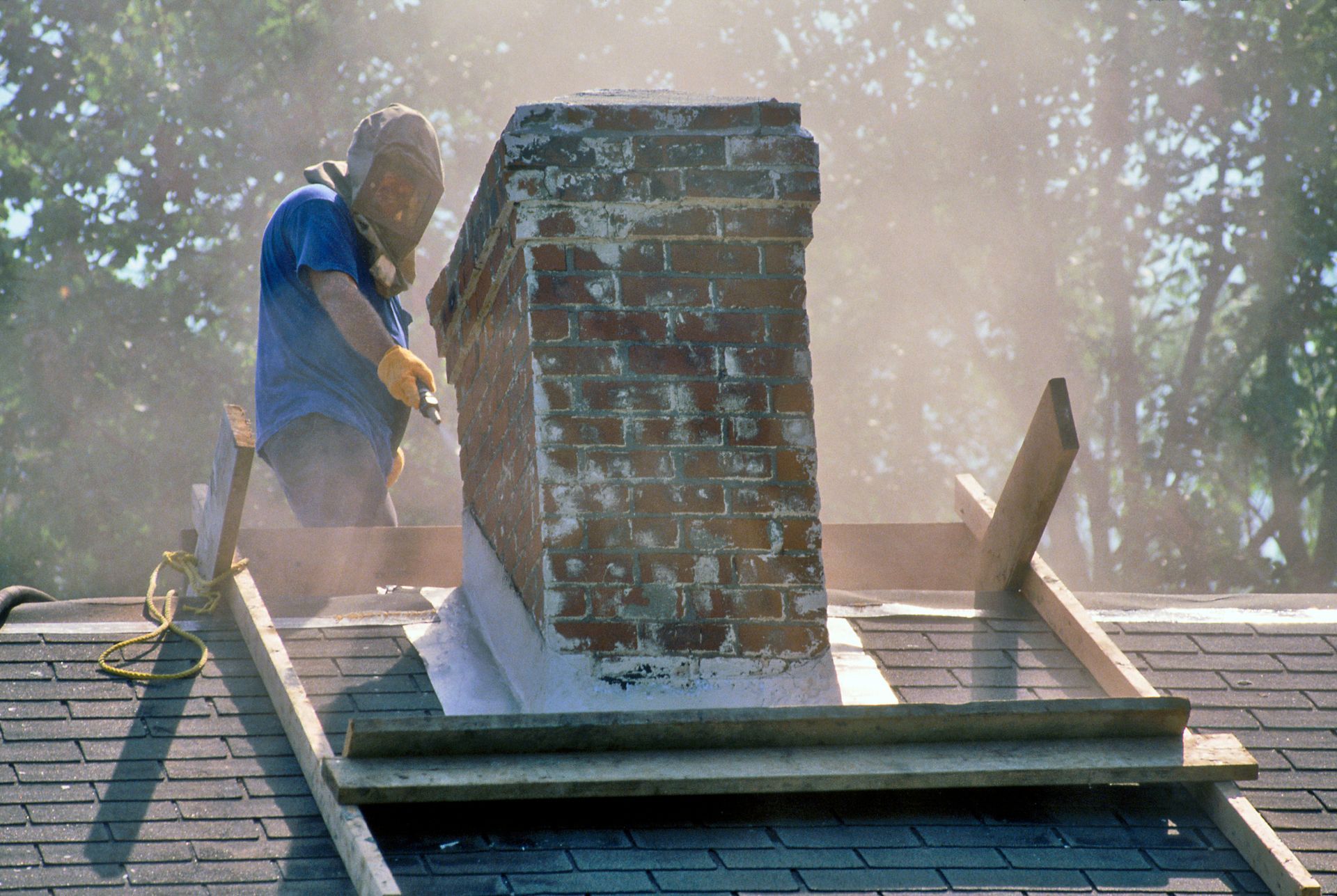
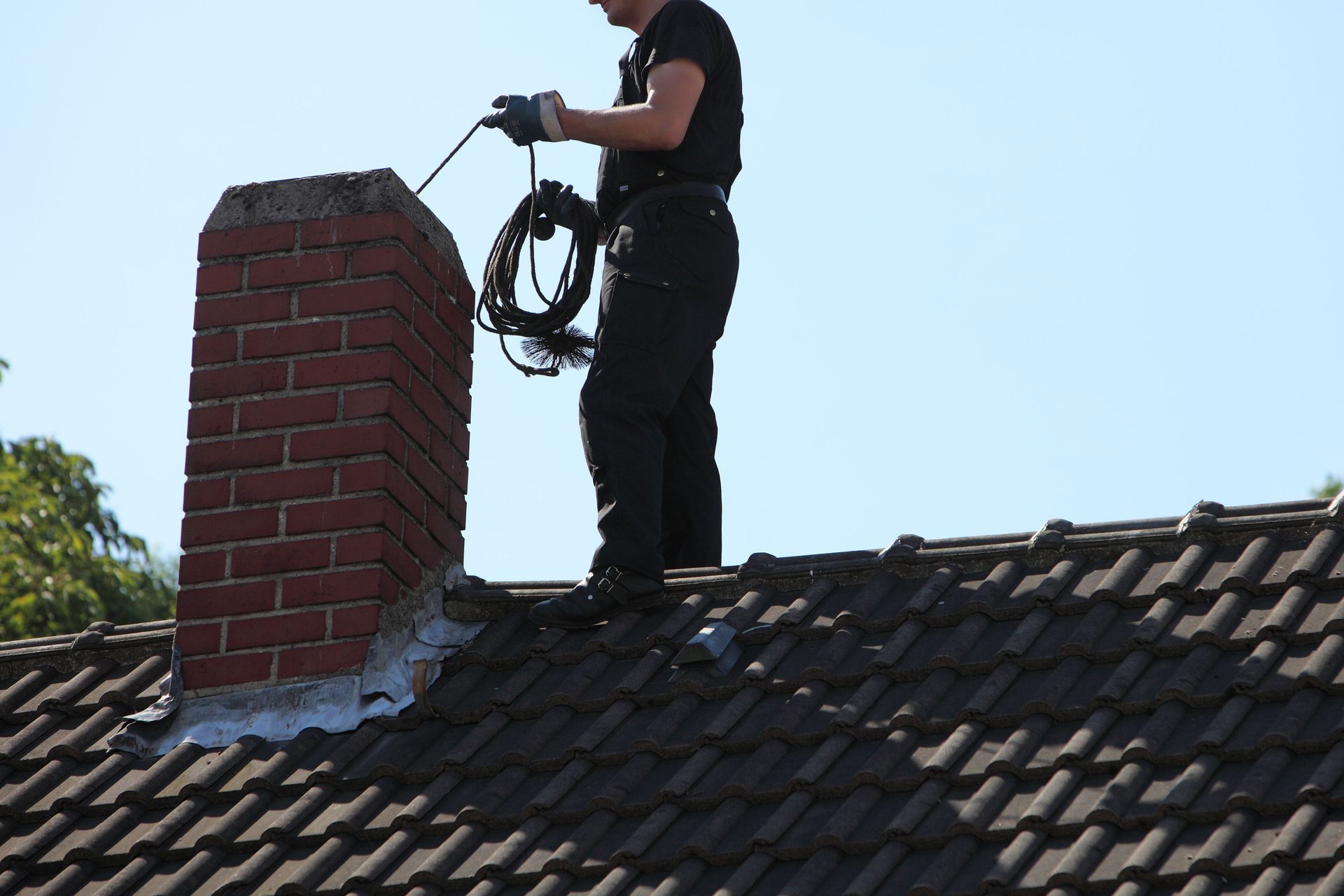
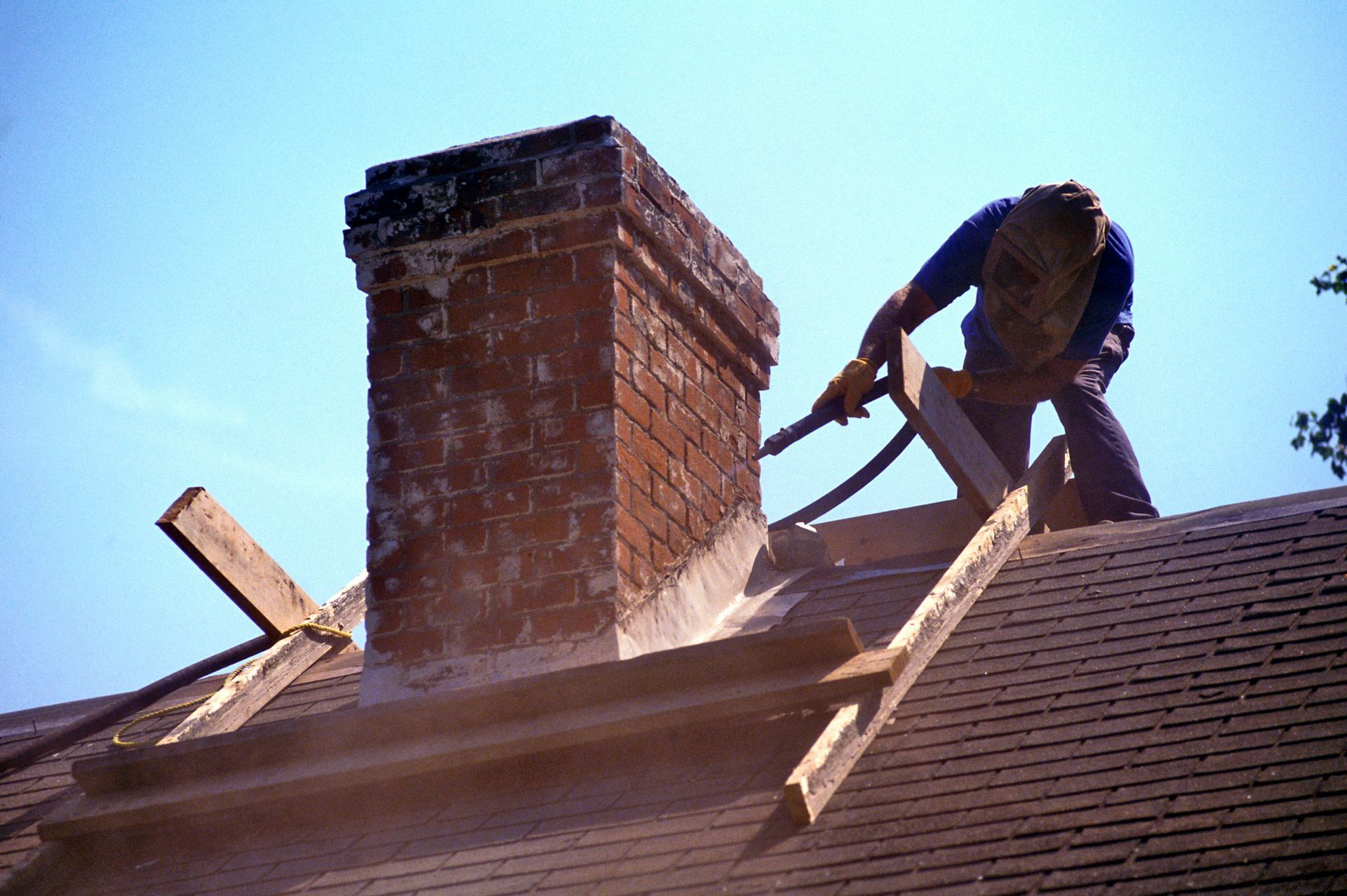
The core phase of the appointment focuses on the mechanical extraction of flammable coatings lining the interior walls of your flue. As wood combusts, volatile gases cool as they ascend the venting shaft, condensing into glassy, tar-like creosote deposits that adhere tightly to masonry walls. Licensed professionals utilize flexible interlocking rods paired with rotary polypropylene brushes, wire scourers, or motorized whipping heads specifically fitted to the flue dimensions. Operating these specialized tools from either rooftop vantage points or interior access points, technicians thoroughly scrape every inch of the inner passageways, stripping away loose ash, calcified soot layers, and corrosive combustion byproducts.
For advanced glazed creosote that resists mechanical agitation, specialists introduce targeted chemical treatments to neutralize the substance. These specialized chemical sprays or powders interact with stubborn hydrocarbon layers, breaking the dense bond and turning hard glaze into brittle, flaky ash that cleans off safely without scoring protective liner surfaces. The negative-pressure vacuum system operates continuously alongside the mechanical brushes, drawing dislodged debris straight into sealed collection chambers. Removing every trace of flammable residue is imperative because creosote ignites at elevated operational temperatures, producing intense fires that threaten structural home framing. Complete technical extraction restores optimal interior dimensions, ensuring your system performs properly under heavy seasonal usage.
Checking Ventilation Pathways and Examining Core Components
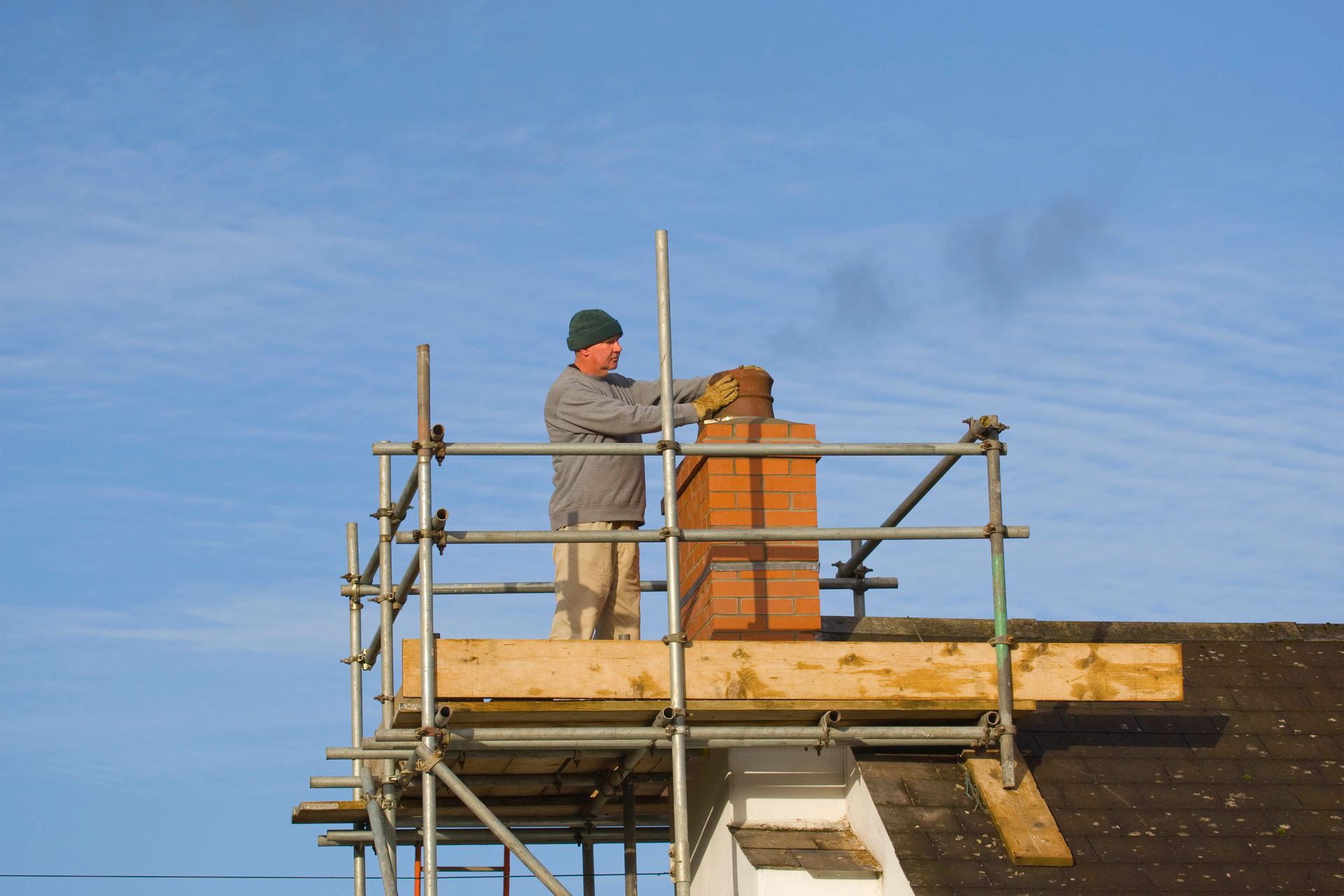
Once the scrubbing phase concludes, the specialist conducts detailed operational inspections on secondary venting components. The technician scrutinizes the chimney liner, checking that ceramic, clay, or stainless steel conduit walls remain completely seamless from bottom to top. Simultaneously, the upper flue termination points, spark arrestors, and rain caps undergo comprehensive checks to confirm they remain securely fastened against harsh weather. A functional, well-fitted termination cap blocks rain penetration, arrests flying sparks, and keeps wild animals from nesting in open passages. Water intrusion is a primary driver of chimney deterioration, making this exterior check vital for overall structural health.
Technicians next focus their diagnostic attention downward toward the smoke shelf, damper plate, and firebox assembly. The damper must open, seal, and pivot smoothly; warped metal damper frames permit conditioned household air to escape while drawing exterior drafts inside. Specialists carefully sweep the throat and smoke chamber surfaces, which serve as aerodynamic funneling zones redirecting combustible gases upward into the main flue. Technicians verify that firebrick mortaring across the firebox displays no deep gaps or crumbling joints that might expose adjacent wooden framing to dangerous heat transfer. Resolving these localized structural defects early guarantees smooth natural drafting, minimizes indoor carbon monoxide backdrafting risks, and ensures reliable airflow performance across the entire fireplace installation.
Reviewing Diagnostic Reports and Estimating Financial Investments
Following the hands-on technical work, the technician generates a detailed written condition report covering your chimney structure. This summary documents the observed status of masonry elements, describes the volume of creosote extracted, and records diagnostic findings from camera scans. The professional explains the immediate functional condition of the appliance, prioritizing urgent structural safety issues above routine wear. Having a transparent conversation regarding needed masonry work, flashing resealing, or component upgrades empowers homeowners to make proactive, well-informed maintenance decisions. Clear communication eliminates unpleasant surprises, giving first-time buyers an accurate perspective on future maintenance needs.
Costs can vary widely based on factors like chimney size, design complexity, and the extent of soot and creosote buildup. According to DataHorizzon Research, North America leads the chimney sweeping services market, with an estimated share of more than 34%. This indicates a strong demand and robust service presence in the region, which is mirrored in competitive pricing and availability of qualified professionals. Homeowners should expect to receive detailed quotes outlining these variables to make informed financial decisions. Investing in specialized contractor care protects against catastrophic house fires and spares homeowners from massive masonry reconstruction fees resulting from unaddressed water intrusion, rendering routine chimney cleaning an indispensable component of sound household budgeting.
Professional care remains the definitive approach for maintaining residential fireplaces, as certified sweeps carry comprehensive liability coverage and extensive technical education. An experienced eye detects subtle indications of settlement, structural cracking, and hidden moisture decay that untrained eyes miss entirely. When you hire licensed sweeps, you acquire specialized remediation tools, diagnostic video equipment, and targeted chemical applications designed specifically for safe residue extraction.
Maintaining a functioning, safe home requires vigilance, and staying ahead of exhaust flue maintenance protects your dwelling and loved ones across cold seasons. Routine inspections and methodical residue extraction prevent dangerous fires, elevate fuel combustion efficiency, and prolong the functional lifespan of costly masonry infrastructure. First-time buyers who prioritize regular appointments ensure their hearth continues to deliver warmth and comfort without introducing hidden hazards. Protect your household safety and guarantee reliable fireplace operation this winter by scheduling your complete
chimney cleaning with Universal Chimney today.